
5 Reasons Every City Should Fund Utility Box Painting Programs
(a little paint goes a long way)
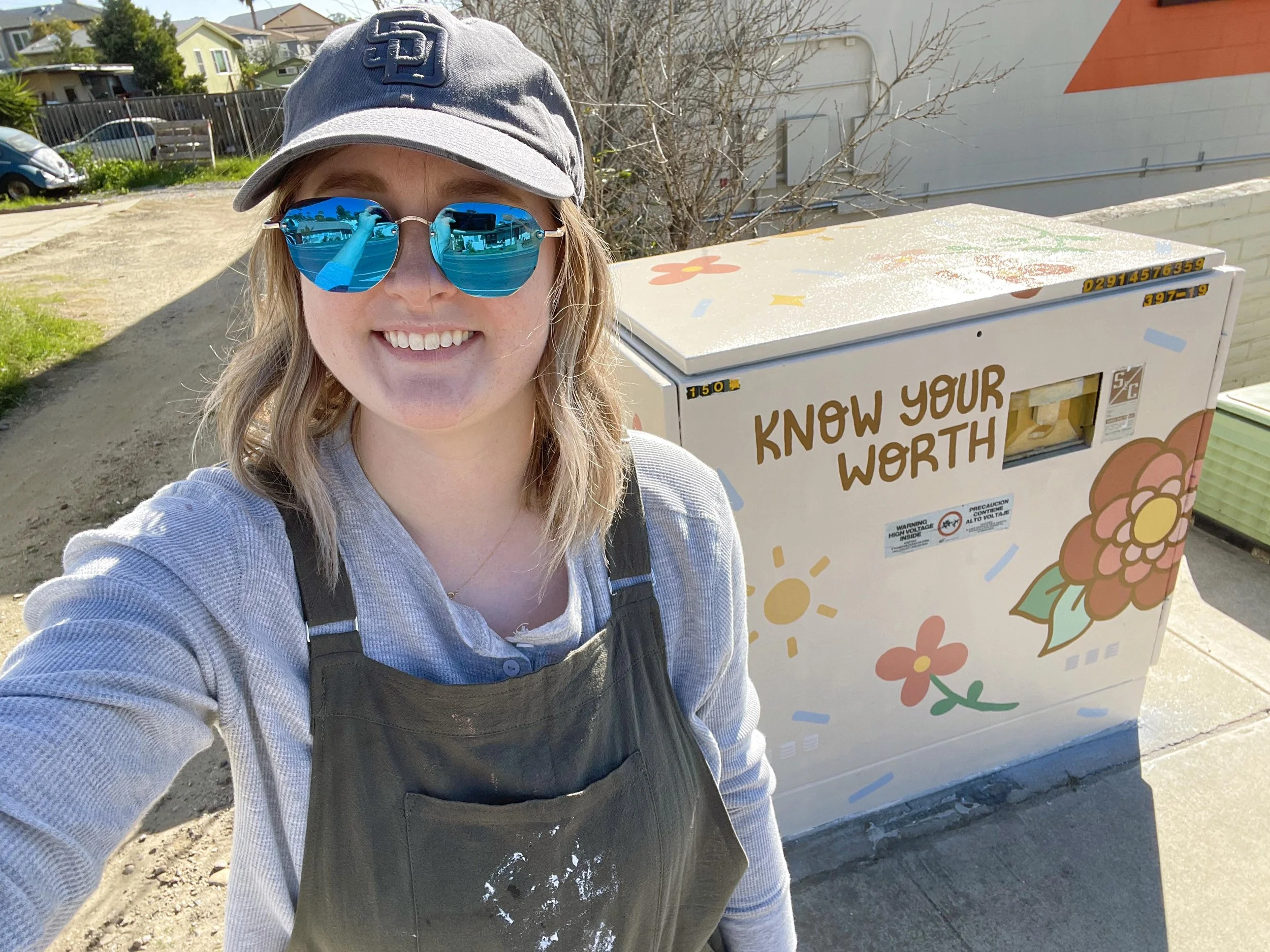
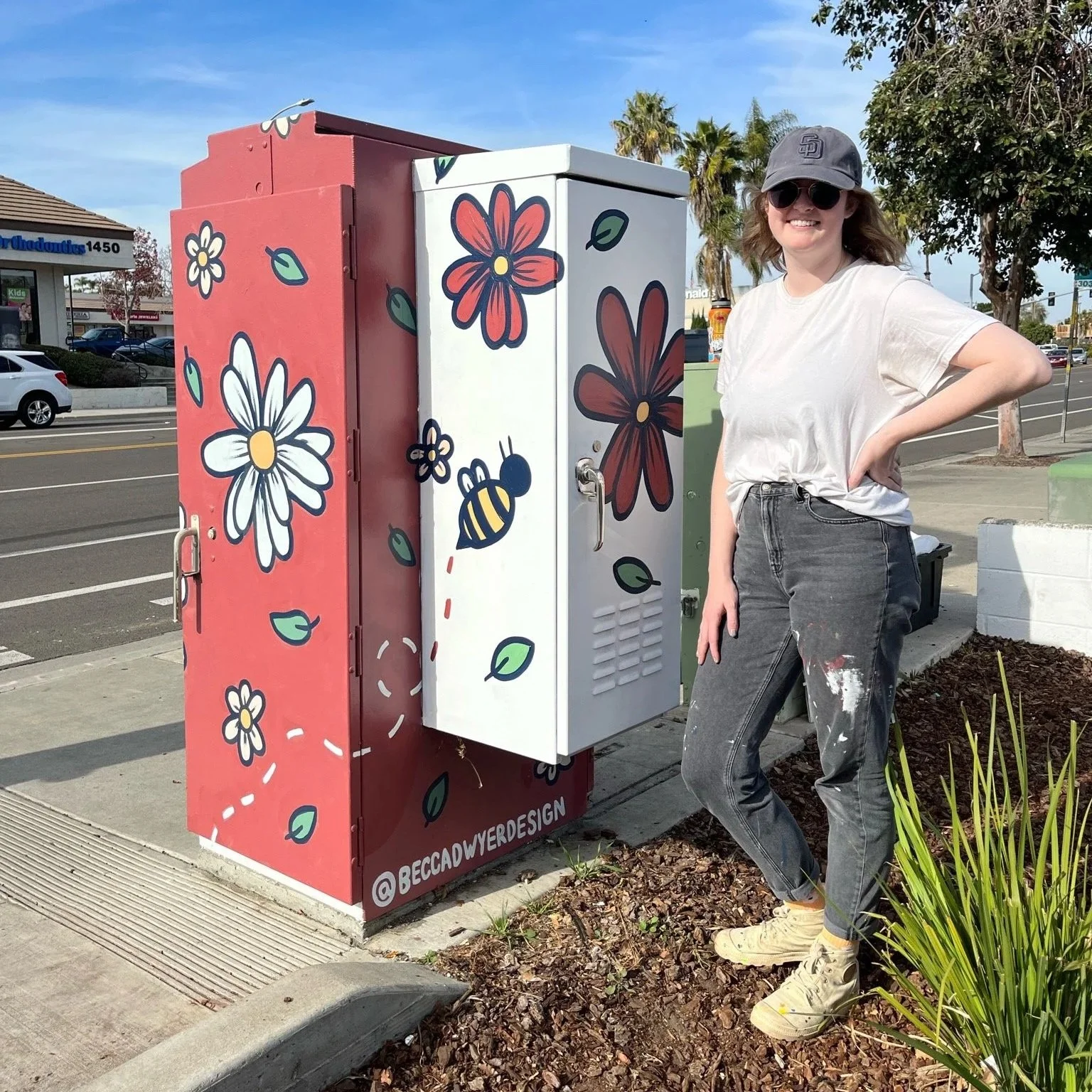
When I decided to start painting murals, one of the first canvases I found in my city was a utility box. At the time, it was the largest surface I’d ever painted on, and I was so proud of the work I completed. It took a lot of cleaning, priming, painting, and more painting to transform a box from bland to happy and fun!
Since painting my first one, I’ve made a point to look out for all the other colorful creations artists are dreaming up on electrical boxes. Once you start looking, you’ll notice them everywhere. I love finding newly painted boxes in my neighborhood and following the artist on social media to learn more about who they are and what they do! In a time when we’re all craving more color, connection, and creativity in our everyday surroundings, painted utility boxes are small but mighty reminders of what’s possible when cities invest in public art.
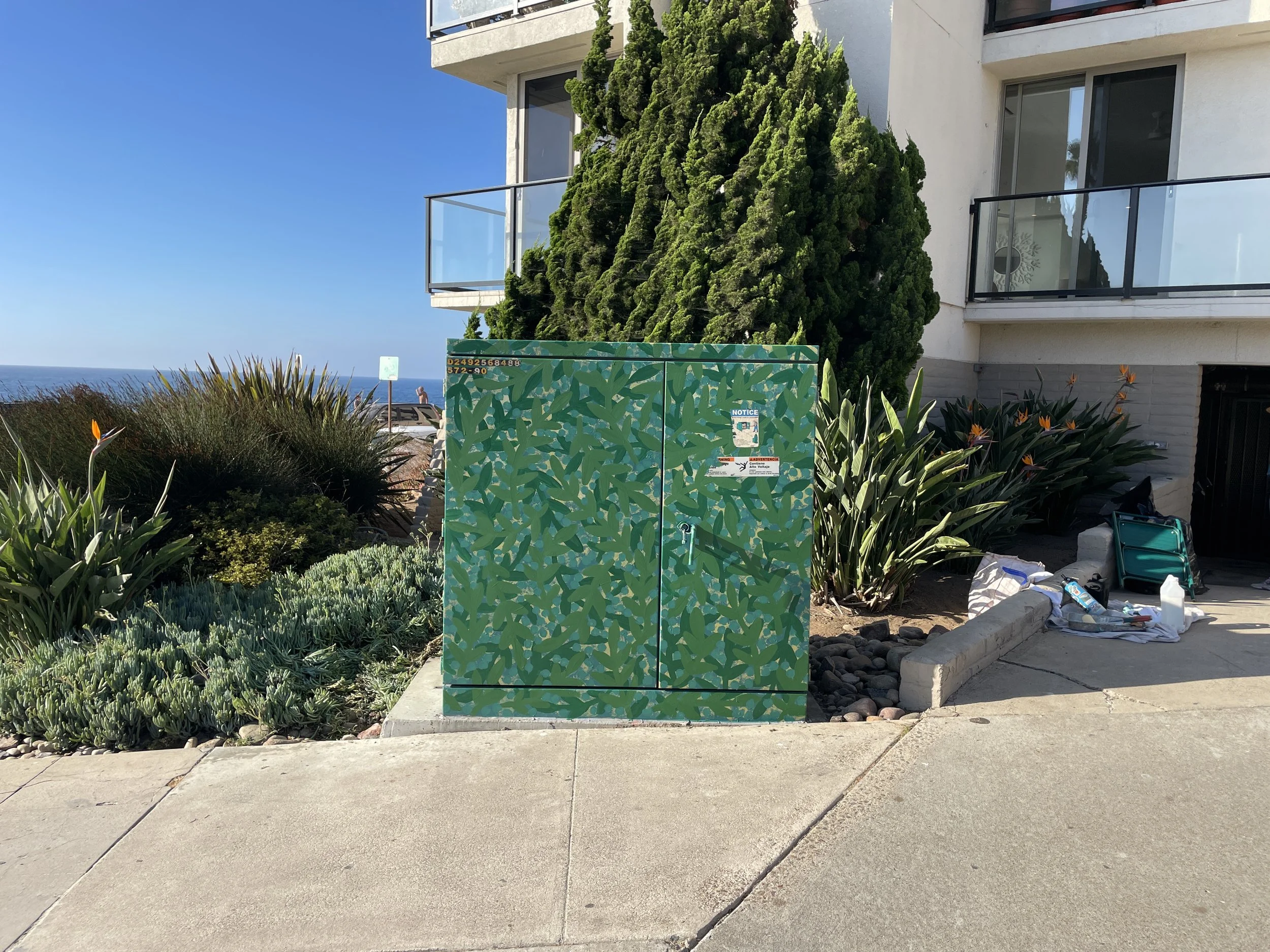
After years of painting utility boxes in San Diego, I’ve seen how these projects brighten street corners that are otherwise overlooked. When painted, these boxes can spark joy, conversation, and pride in the people who live and work nearby. I would LOVE to see every utility box turned into a work of art, so here are five reasons that every city should not only allow but actively fund and advertise utility box beautification programs:
1. Utility Boxes add joy to often-overlooked spaces.
Utility boxes are everywhere. They’re blank canvases scattered around cities, begging for artwork. If you haven’t noticed any in your area, it’s because they’re designed to blend in and go unnoticed. Once while painting a box, someone stopped and asked “has this always been there?”. I assure you, it had. Next time you’re driving around your neighborhood, try to look for these boxes and you’ll wind up seeing one on almost every corner! Just because we have to live with it in our cities doesn’t mean they have to look ugly!
2. Painted utility boxes create a sense of place and belonging.
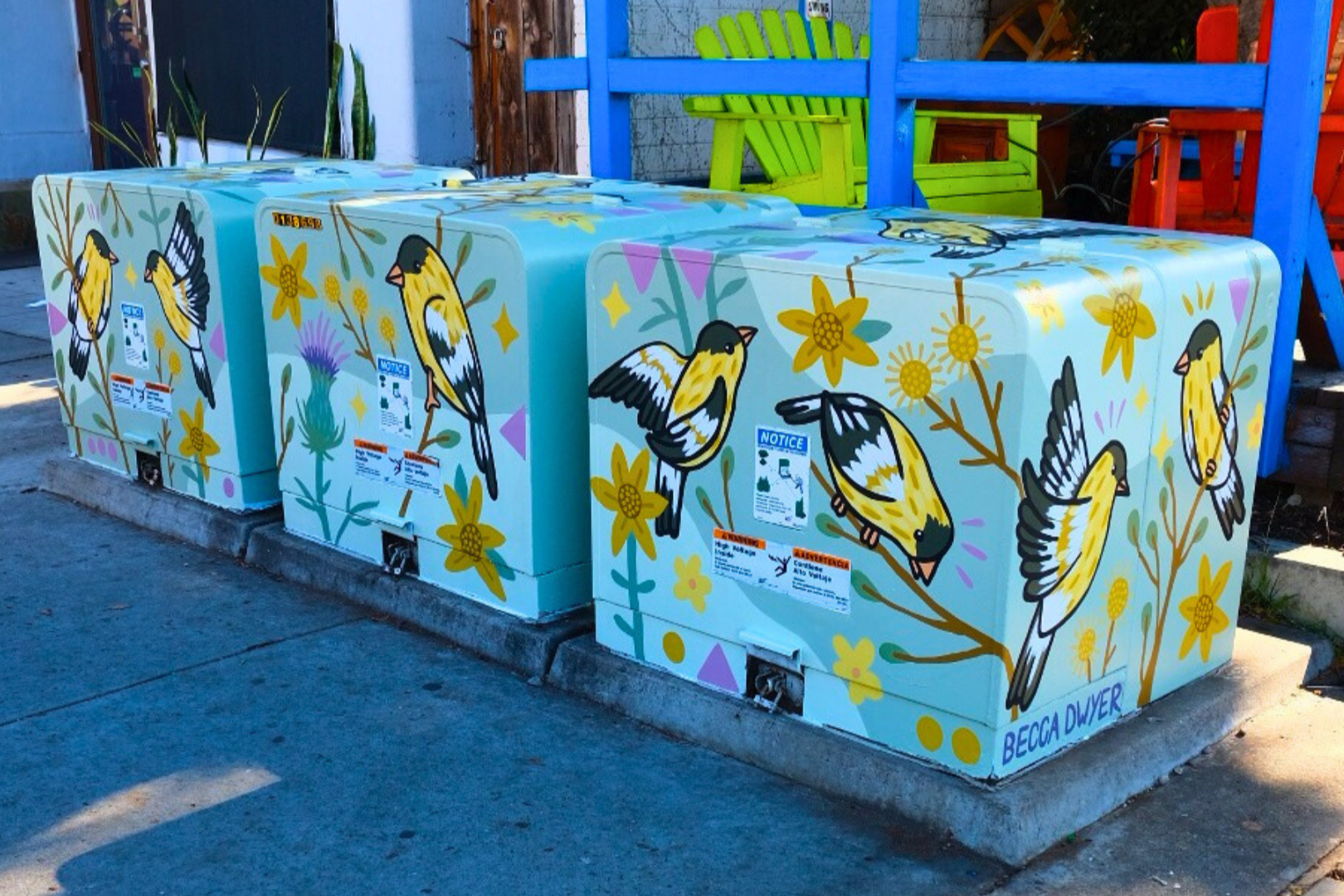
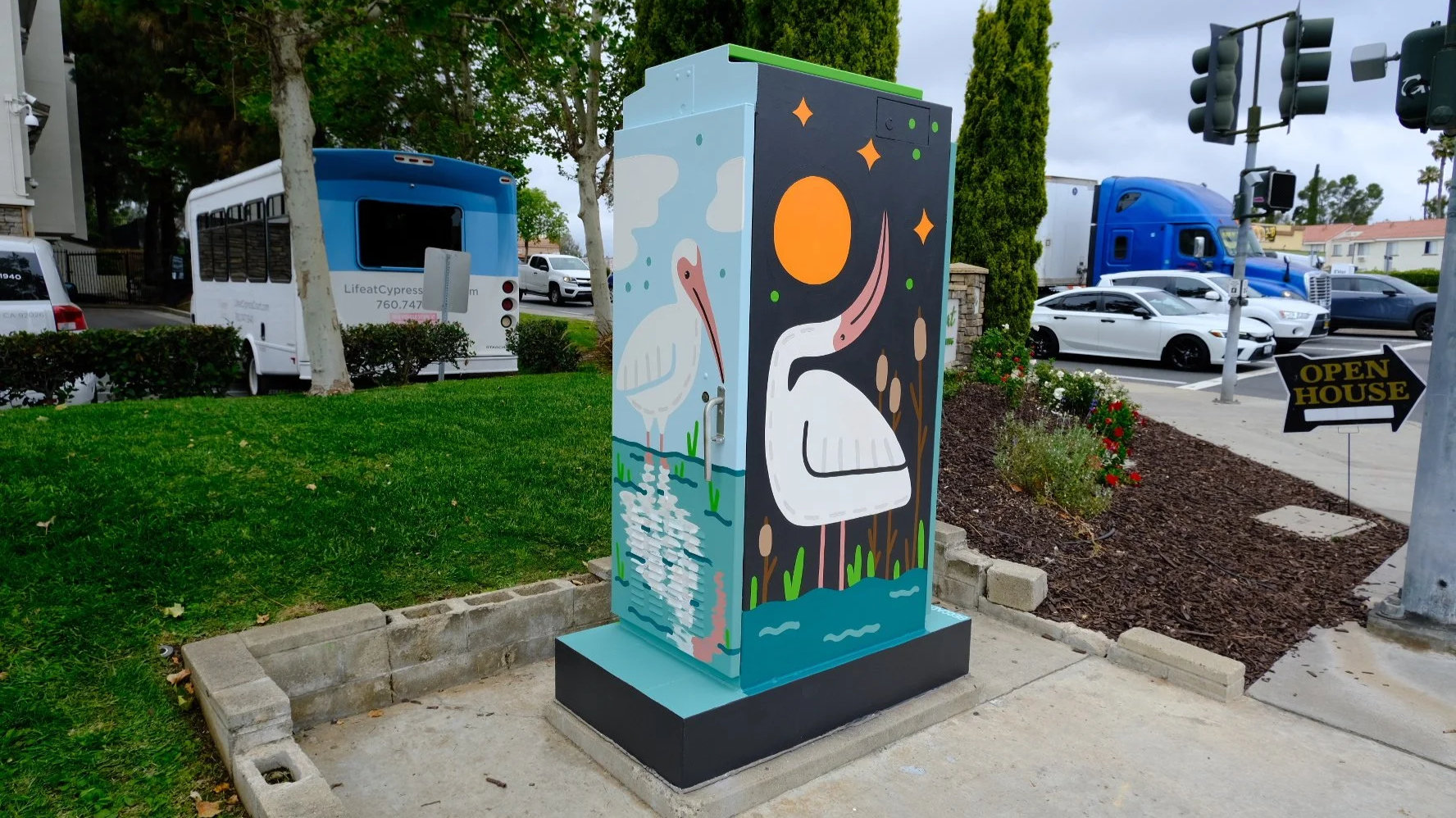
Every utility box with art on it tells a story. Some programs I’ve participated in have given me a theme to work with, like flowers or birds, while others have left full creative freedom up to the artist. Whether the artwork reflects the history of a place, celebrates its diversity, or simply adds color to a previously overlooked spot, painted utility boxes help people feel connected to their neighborhood! I have been thanked by many, many people for caring about their community and making it look better.
3. Utility boxes give artists a unique and visible canvas.
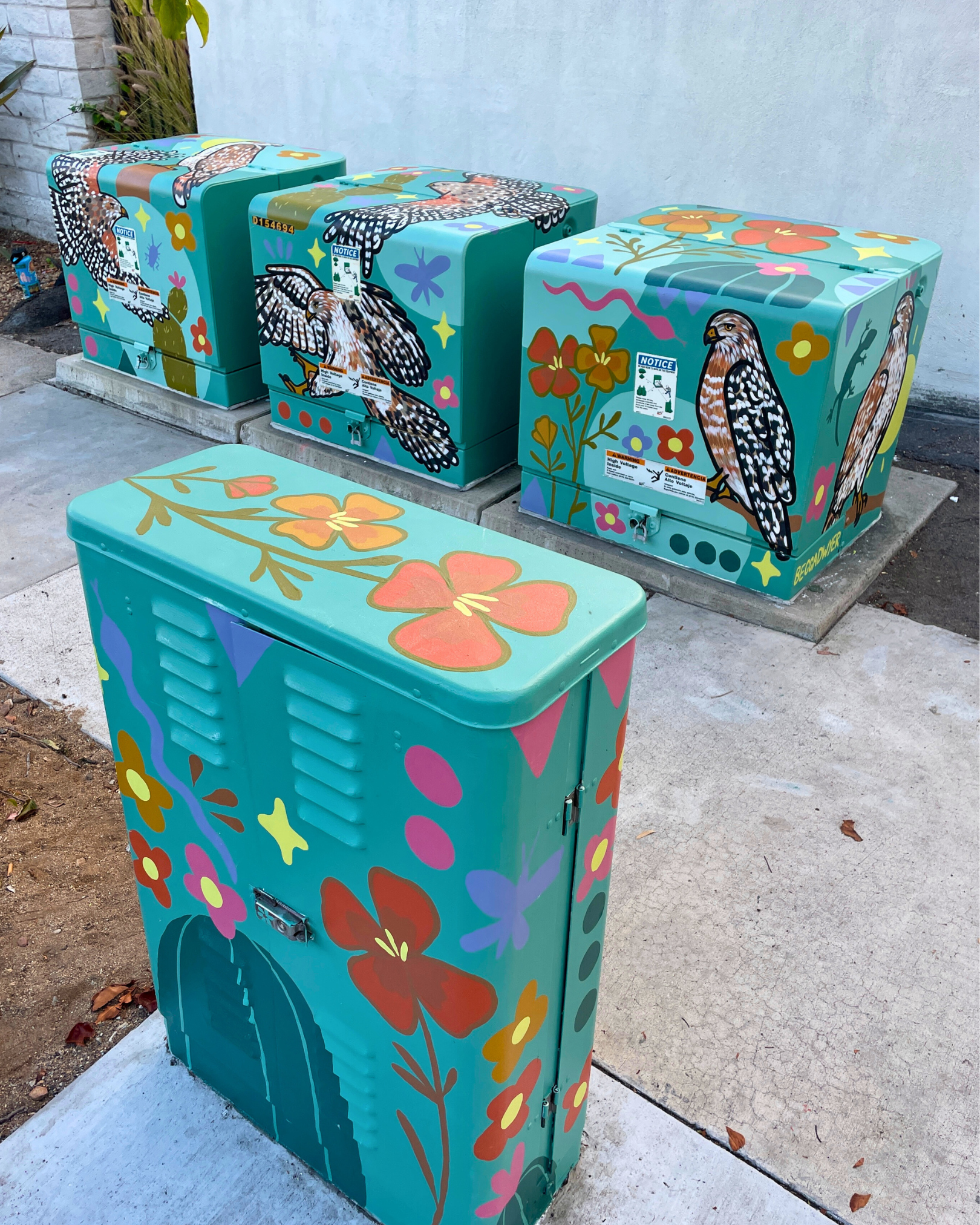
Many artists and aspiring mural artists dream of having their work on a large canvas for everyone to see. The idea of painting your first mural can be daunting, and getting permission to do so can be even more so! That’s where utility boxes come in. They offer both emerging and established artists large, public canvases to display their work. The 3-dimensional canvas offers an opportunity for artists to get creative in what they design. Will each side have its own vibe? Or will the whole box consist of the same theme? If you have no idea what to paint, and haven’t been given direction, try driving around your city and seeing what other people have done. Either use that as inspiration, or to create something truly unique!
An essential aspect of a program like this includes paying artists for their talent and time. I’ve applied to several programs that gave me only $100-$200 stipends for the whole project. For some artists, this can cover the cost of supplies and paint, but doesn’t account for the many hours spent painting outside, so keep that in mind if you’re looking to apply.
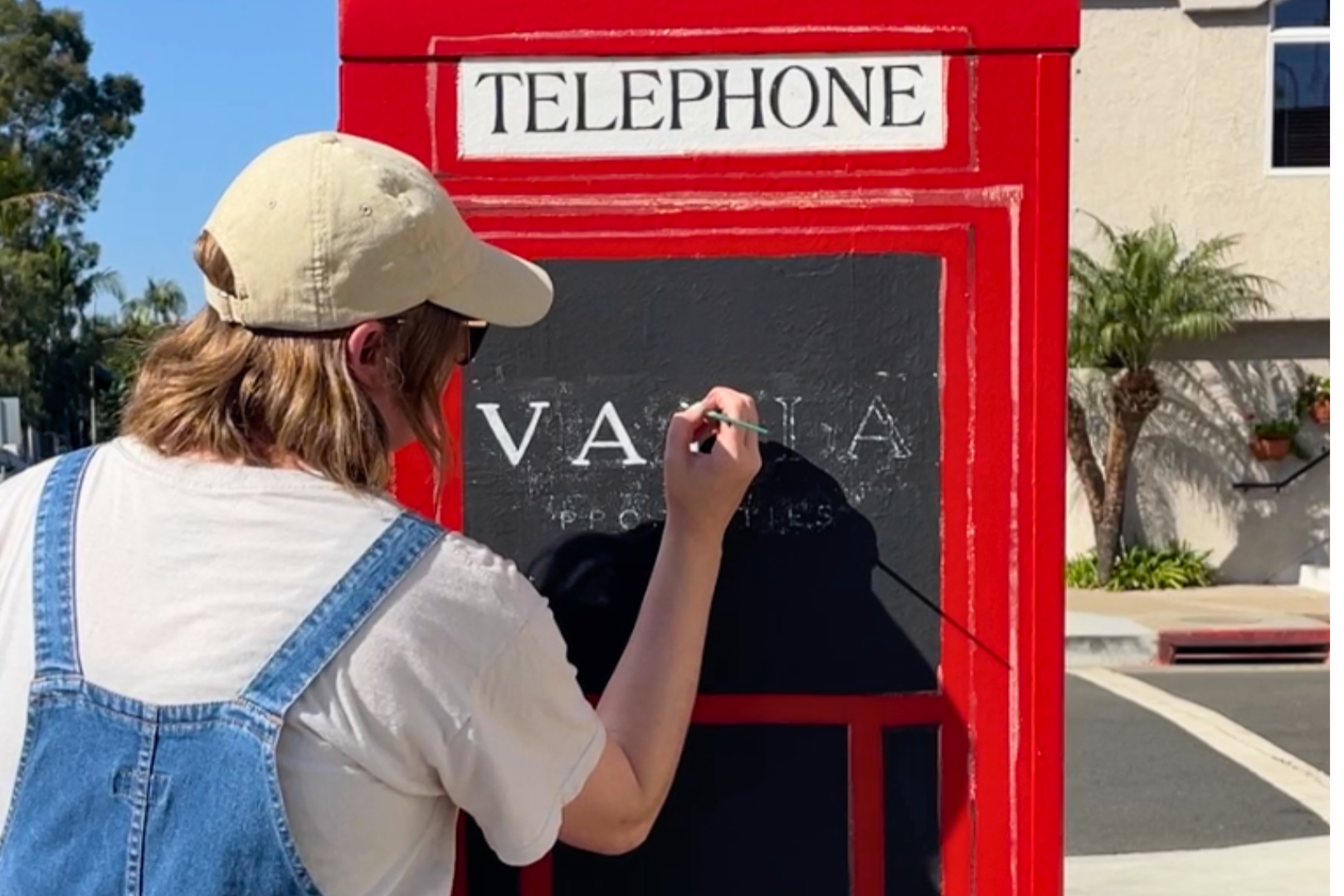
Painting a box often means bending, squatting, priming, cleaning, and designing in advance. I believe cities should pay at least $500 per box (for a one-day project), and more if the design is detailed, the artist is experienced, or if multiple boxes are included. Artists deserve more than just exposure! And we’ve moved past the era of asking creatives to work for free. (2026 update: I’m seeing programs offer up to $750 per box!)
4. Painted utility boxes create opportunities for civic engagement.
Painting a utility box doesn’t have to be just a one-time art moment, it can also be a chance for community collaboration. If planned accordingly, members of the community can help choose an overall theme, vote on or approve submitted designs, and even participate in the cleaning/preparation process. One thing about utility boxes is they are typically very dirty. Cleaning and priming one box alone can take anywhere from 1-2 hours! If the community coordinated a schedule to clean and prime these boxes before inviting artists to paint them, this would ensure proper paint installation and save each artist hours of time. This can be a simple and hands-on way to engage with and feel invested in a community!
5. Painted Utility boxes can encourage people to get outside and explore.
One way to take this initiative further is to create an accessible, walkable map of all the utility boxes painted in the neighborhood. One thing I find myself asking when I see a box is, who painted that? Most of the time, artists will sign their name on the bottom of a box, but this can be hard to see when driving by. I feel like this is a total missed opportunity for community connection!
Imagine if each box had a QR code which directed people to a website with detailed information about the design, artist, and initiative behind the painted utility boxes. This site could also have free, downloadable maps of all the painted utility boxes, showing routes, nearby landmarks, and local businesses. Imagine a Saturday stroll that includes stops for coffee, mini murals, and hidden gems. It’s like a mini ArtWalk that’s always open!
Final Thoughts
How do I know something like this will work? Because last year while in Italy, I heard about a free sculpture walk. After finding a map online, my family and I were able to take a nice stroll in the Italian countryside and learn about 28 different artists and their inspiration behind each sculpture. On our walk, we passed by families with young kids who were racing to find the next one. I believe this is one of those examples of if you build it, they will come. If you put the information online for people to discover, they’ll find it!
While I have participated in a couple of utility box programs coordinated by cities, I’ve yet to see a program come together to create a larger impact like this. A few places in San Diego that I have seen step up their game are University Heights, Escondido, Vista, La Mesa, and Mission Hills. University Heights recently engaged several artists to revamp utility boxes in their neighborhood, promoting the transformations on social media. I’m unsure if they’ve built an online database of all the boxes, but I know they have a “beautification fund” and invited people on an inaugural walking tour of all the completed boxes! Mission Hills built a website showcasing their boxes, but so far we’ve only been able to secure funding for two locations.
What do you think about utility boxes? Do you see them as an opportunity for showcasing your work while bettering your neighborhood? Or do you see it as not worth your time? If anything, I hope you start to notice all the painted (and unpainted) electrical boxes that live on almost every city corner!